
EV Charging Infrastructure
EV charging is often scoped as an equipment upgrade, but charger placement can reshape parking, vehicle circulation, and access across a site. Those effects are typically identified during permitting and review, after layouts have already been established.
MMPV Design works with owners, developers, and campus facilities teams to coordinate EV charging infrastructure in a way that accounts for site conditions, accessibility, and permitting requirements before layouts are locked in.
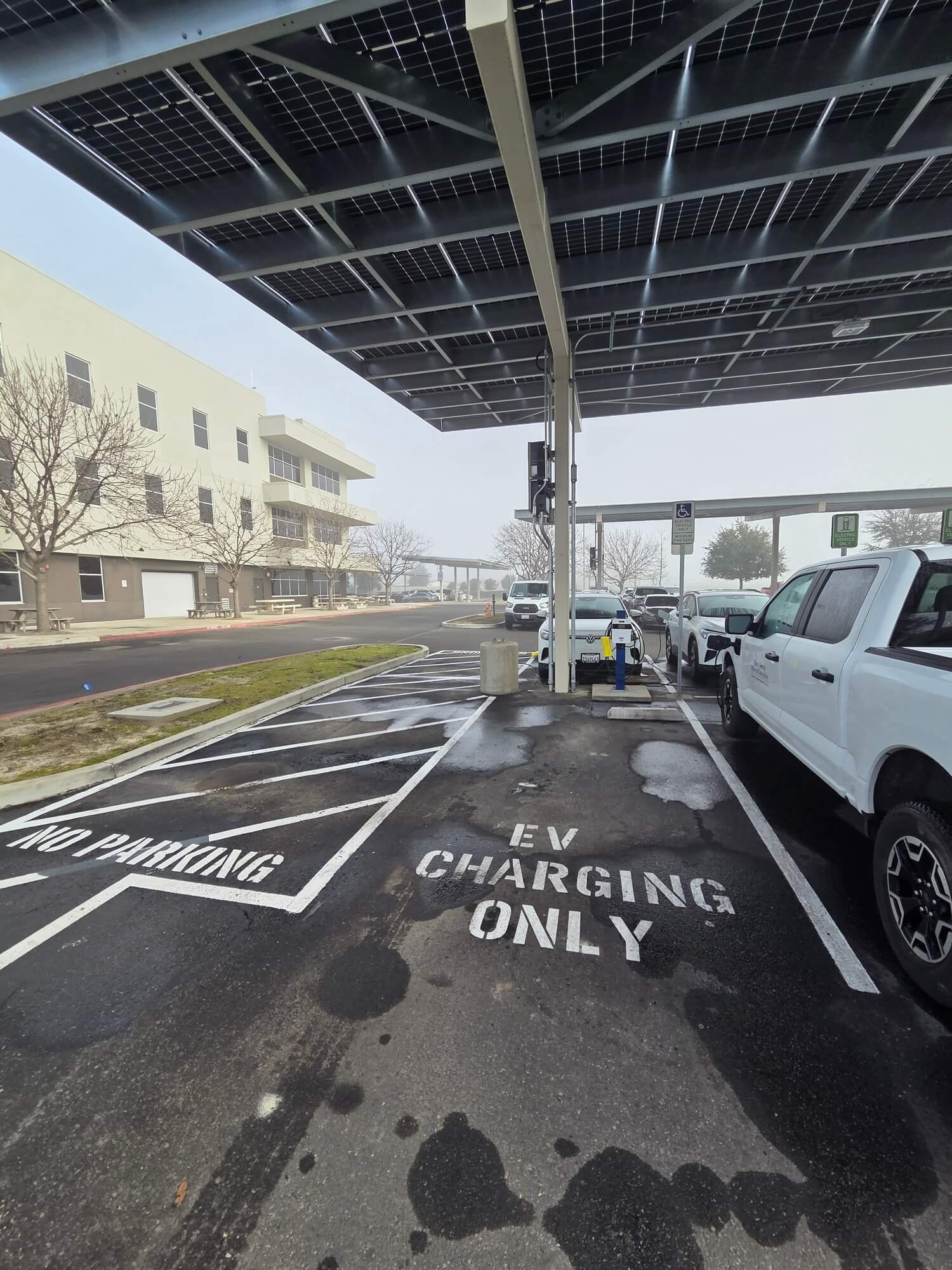

EV Infrastructure and Site Impact
Introducing EV charging to an existing site often requires adjustments to parking layouts, particularly where charger placement affects drive aisles, turning movements, and accessible routes.
On existing or constrained sites, charger placement influences:
parking counts and vehicle flow
continuity of accessible routes
equipment placement and required clearances
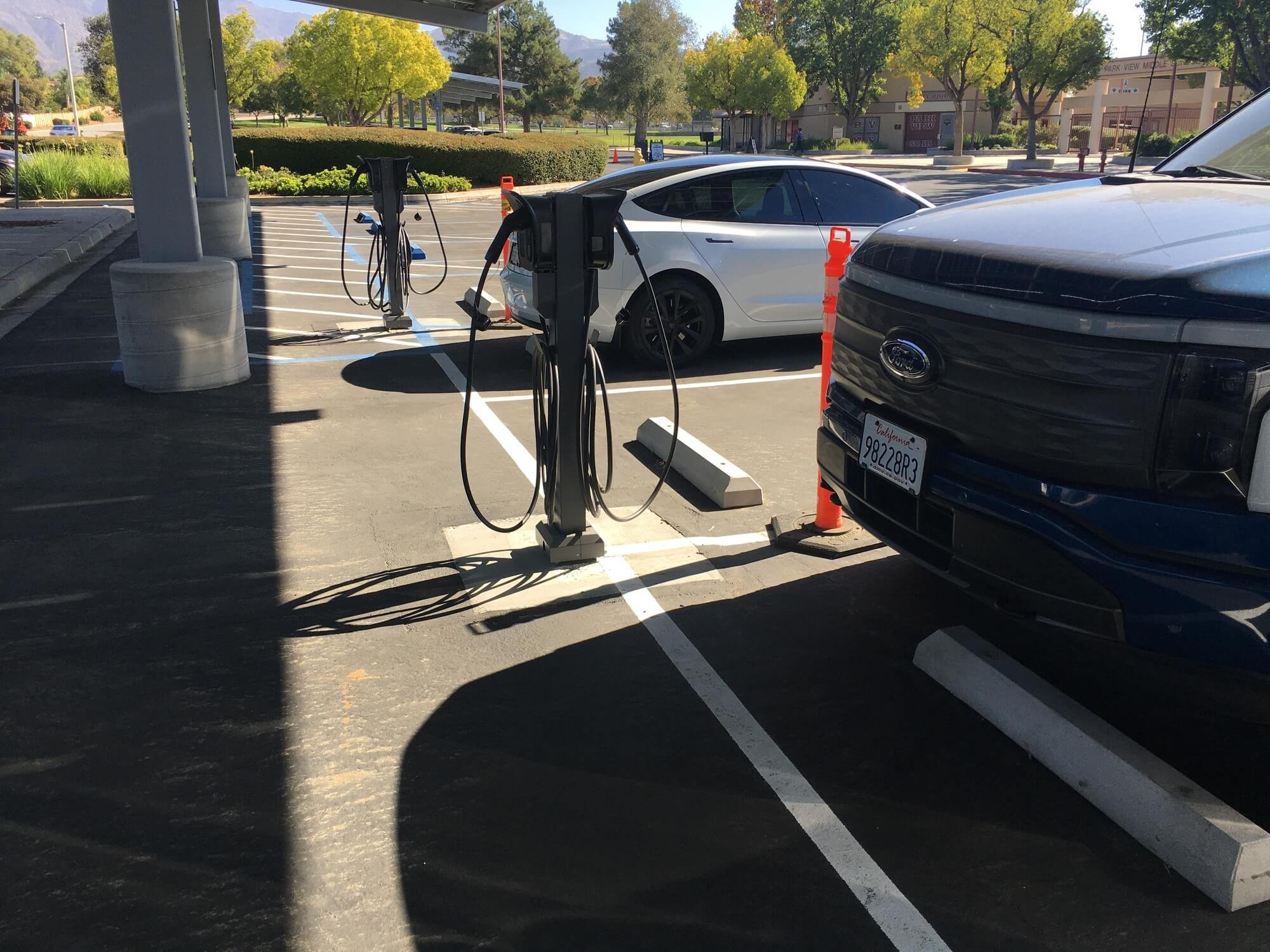

Parking Layout and Accessibility Considerations
Accessibility is frequently the first issue raised during review, since EV charging infrastructure alters parking layouts and travel routes that must remain compliant.

Accessible EV Parking as a Layout Constraint
Accessible parking affects stall dimensions, slopes, travel routes, and access to site amenities. These requirements are evaluated alongside the charging layout, not after it, and determine how much flexibility a site actually has to accommodate new charging infrastructure.
When Parking Counts Change
Adding chargers can shift the balance of standard, accessible, and van-accessible parking, as well as the paths connecting them. Projects are commonly delayed when lot layouts that previously worked no longer meet compliance and accessibility standards once charging is introduced.
Project Permitting and Agency Coordination
EV charging layouts are shaped by utility access and site conditions that may not be apparent until review. When those constraints surface late, charger locations and parking layouts often need to be reconsidered.
Utility and Agency Constraints
Utility coordination and agency review influence charger placement early. Service locations, transformer siting, and trenching limits can constrain layouts well before construction. Addressing these conditions during site planning helps align charger locations with how utilities and authorities having jurisdiction evaluate the site.
Where EV Charging Projects Stall
Delays rarely stem from equipment selection. They surface during review, when preferred charger locations, selected for electrical convenience, conflict with circulation, parking, or accessibility requirements.
By that stage, layouts are already set, and revisions carry direct schedule and scope implications.
At public schools and other state-regulated facilities in California, EV infrastructure may be subject to review by the Division of the State Architect (DSA). Our work reflects an in-depth understanding of DSA regulations and review expectations that shape projects through permitting, construction, and closeout.
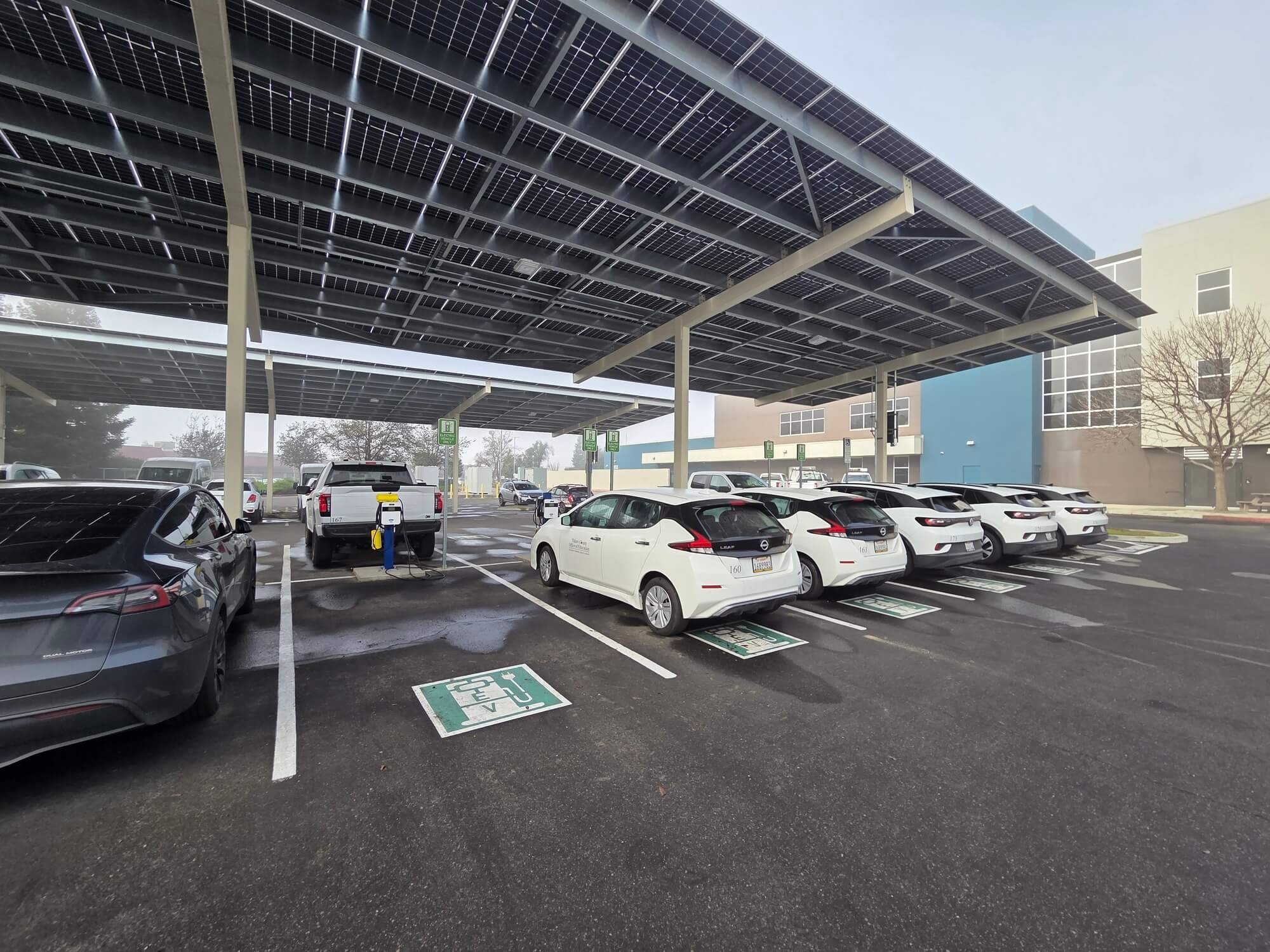
Architect-Led EV Infrastructure Support
MMPV Design provides architect-led support for EV charging infrastructure projects where layout, accessibility, and approval requirements overlap. We are typically engaged during site planning or early permitting, when charger placement and parking impacts can still inform design decisions rather than drive revisions later.
Coordinating Layout, Review, and Construction
Our work focuses on coordinating EV charging layouts with accessible parking and site circulation, in close collaboration with engineers, utilities, contractors, and reviewing agencies. Where required, we remain involved through permitting and construction to support review coordination, inspections, and closeout.
This approach helps surface common permitting risks earlier, including parking shortfalls, accessibility conflicts, and site access constraints, reducing the likelihood of redesign or schedule impacts once formal review is underway.
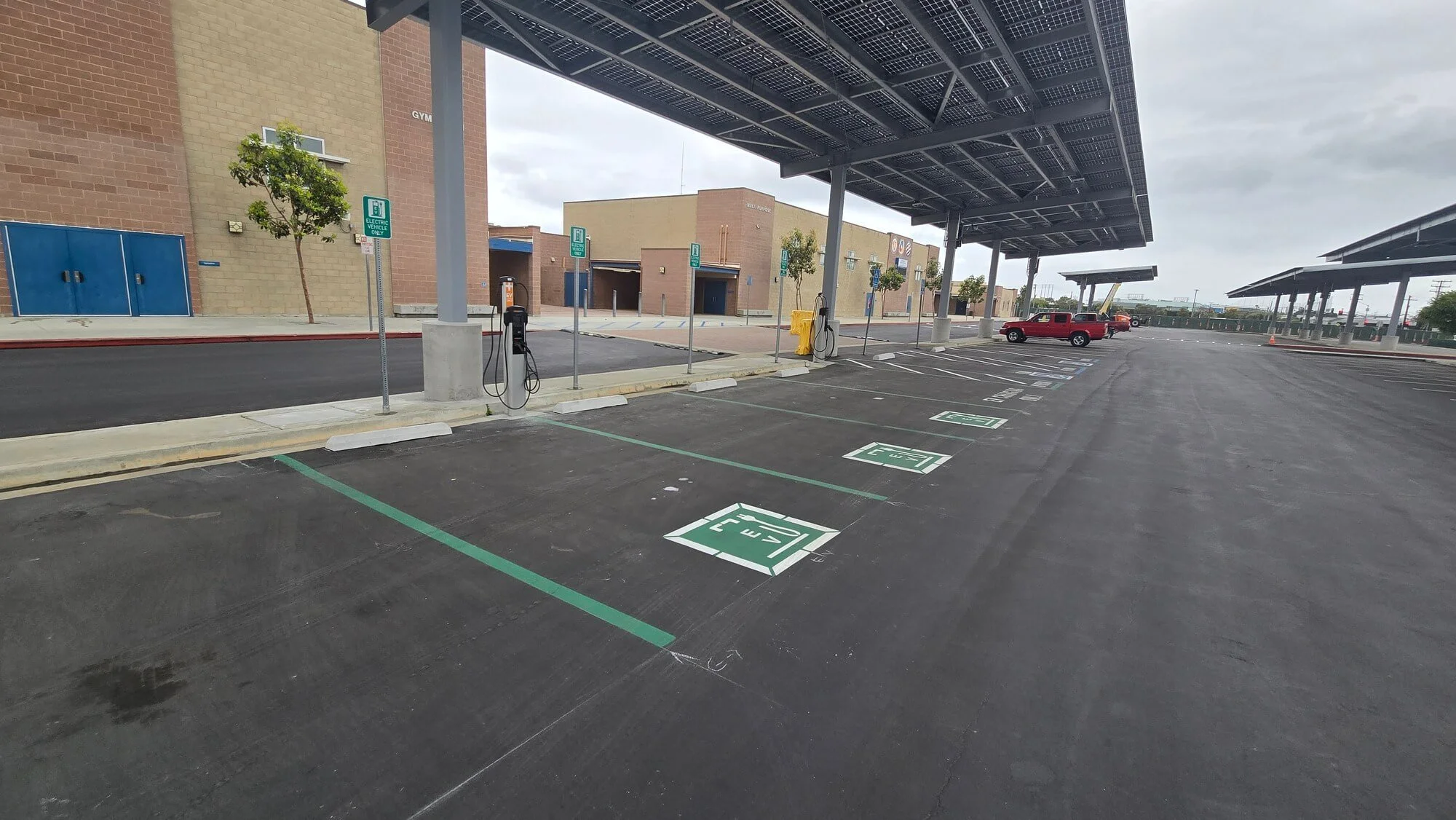
Browse Recent Projects
Our project experience includes EV charging infrastructure integrated into active sites, campuses, and regulated environments.
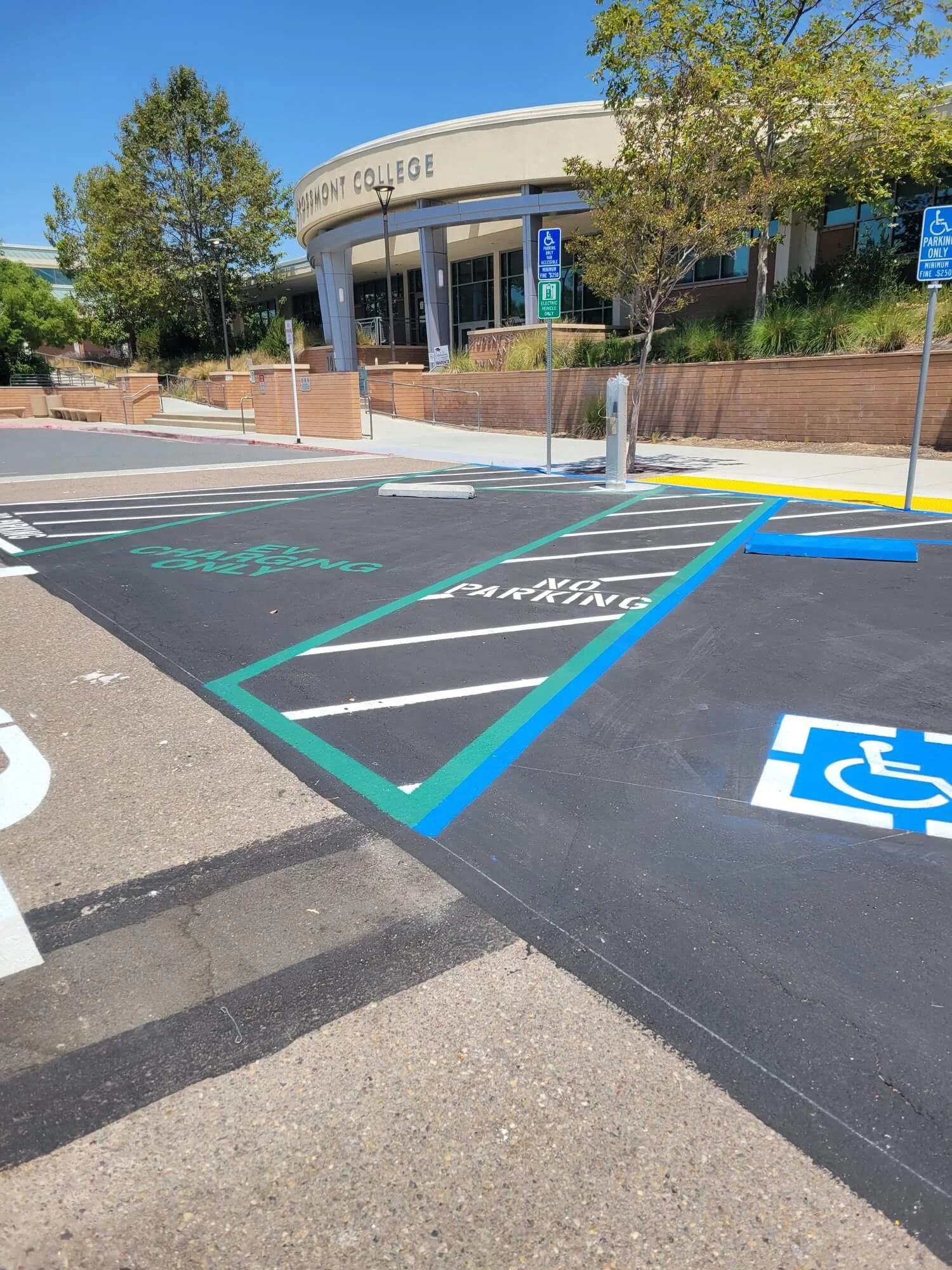

EV Infrastructure at Schools and State-Regulated Sites
At school campuses, EV charging is reviewed within the context of an active, occupied environment rather than as a standalone site improvement. Parking areas support daily circulation, accessibility is evaluated conservatively, and construction constraints often limit when and how work can occur.
When EV infrastructure at K–12 schools, colleges, or universities is subject to state review through agencies such as DSA, approval coordination typically extends beyond local permitting and continues through construction.
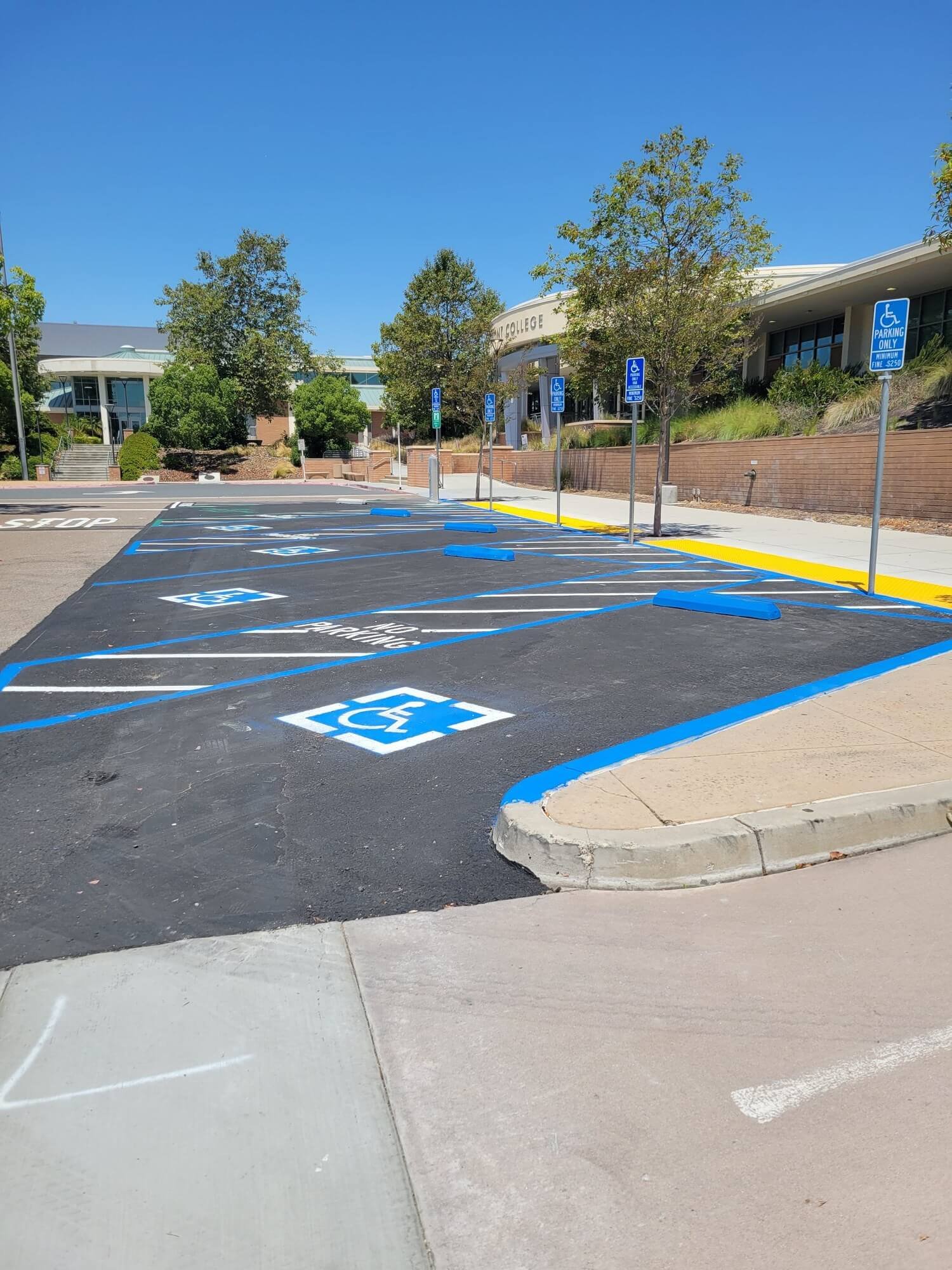
Looking for More Detail?
EV Infrastructure Support
If accessibility or permitting constraints are part of the scope, we can help clarify requirements and define next steps.